Concrete Fence Posts & Footings: What Makes a Fence Last
A fence is only as strong as the posts holding it up — and that comes down to how deep the footings go and whether they're set in concrete. In Western New York, fence posts should be set below the frost line (about 42–48 inches) so winter freeze-and-thaw can't heave them loose, and setting them in concrete gives the most stable, longest-lasting hold for heavier fences and gates. Here's what actually makes fence posts last for decades — and when it's worth calling a pro.
Fence performance starts below ground. While
fence panels, rails, and finishes often receive the most attention, the true foundation of a long-lasting fence lies in its posts and the footings that support them.
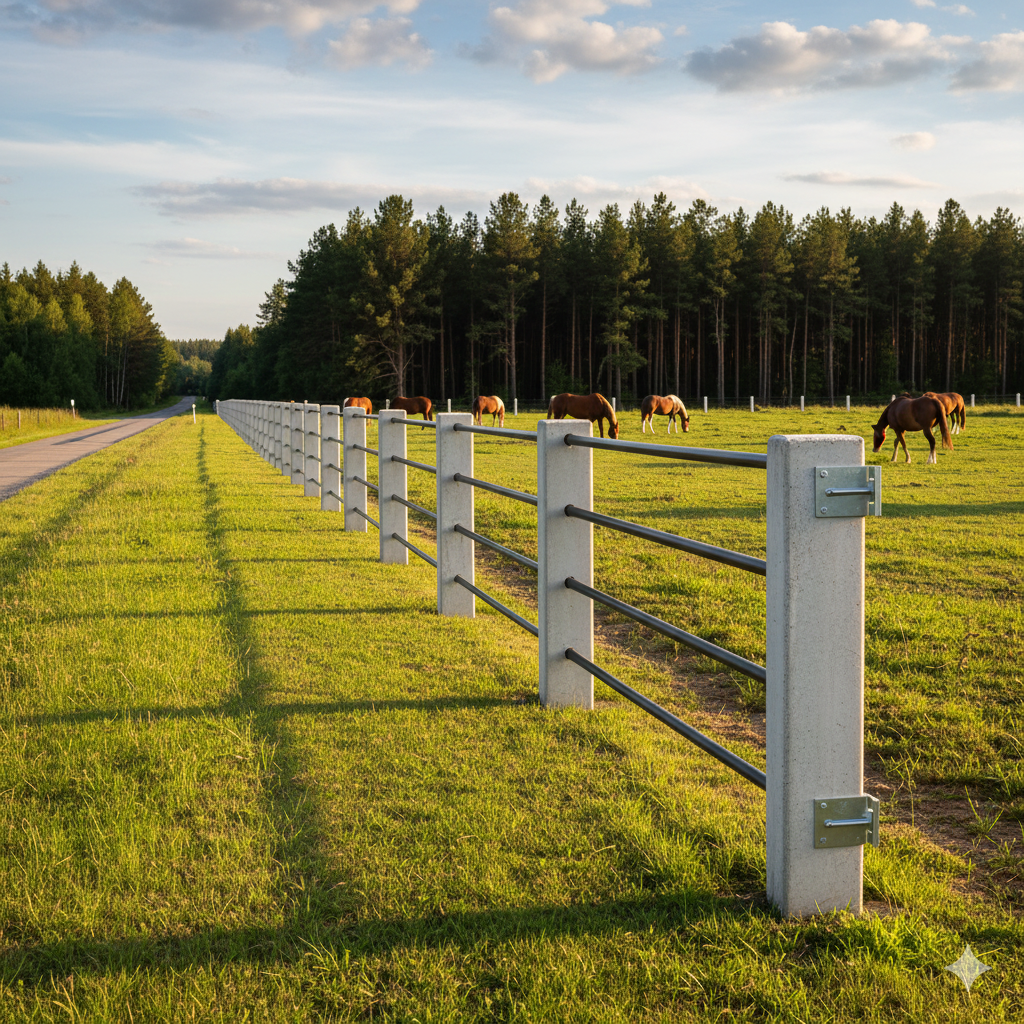
Concrete fence posts
and properly built concrete footings play a major role in how well a fence holds up over time.
Understanding how concrete fence posts work, why footings matter, and how installation decisions affect durability can help homeowners make informed choices. This guide breaks down the role of concrete fence posts, explains how footings contribute to stability, and outlines best practices that support fence longevity without making exaggerated claims.
Key Takeaways
- Concrete fence posts rely heavily on proper footing depth and width for stability.
- Footings help distribute weight and resist movement from soil changes and weather.
- Fence longevity is influenced by soil conditions, climate, and installation quality.
- Improper footing preparation is a common cause of leaning or shifting fences.
- Different fence types may require different concrete footing approaches.
- Long-term fence performance depends on both materials and installation methods.
What Are Concrete Fence Posts?
Concrete fence posts are vertical supports installed into the ground and secured with concrete footings. They serve as the anchor points for fence panels, rails, or sections. Unlike surface-mounted or shallow-set posts, concrete fence posts are designed to provide added strength and resistance to movement.
Concrete is commonly used around fence posts rather than as the post itself, although precast concrete posts also exist. In most residential and light commercial applications, the term concrete fence post refers to a post set into a hole that is filled with concrete.
These posts help support fencing materials such as:
- Wood fence panels
- Vinyl fencing
- Aluminum fencing
- Chain link fencing
Agricultural and rural properties often rely on
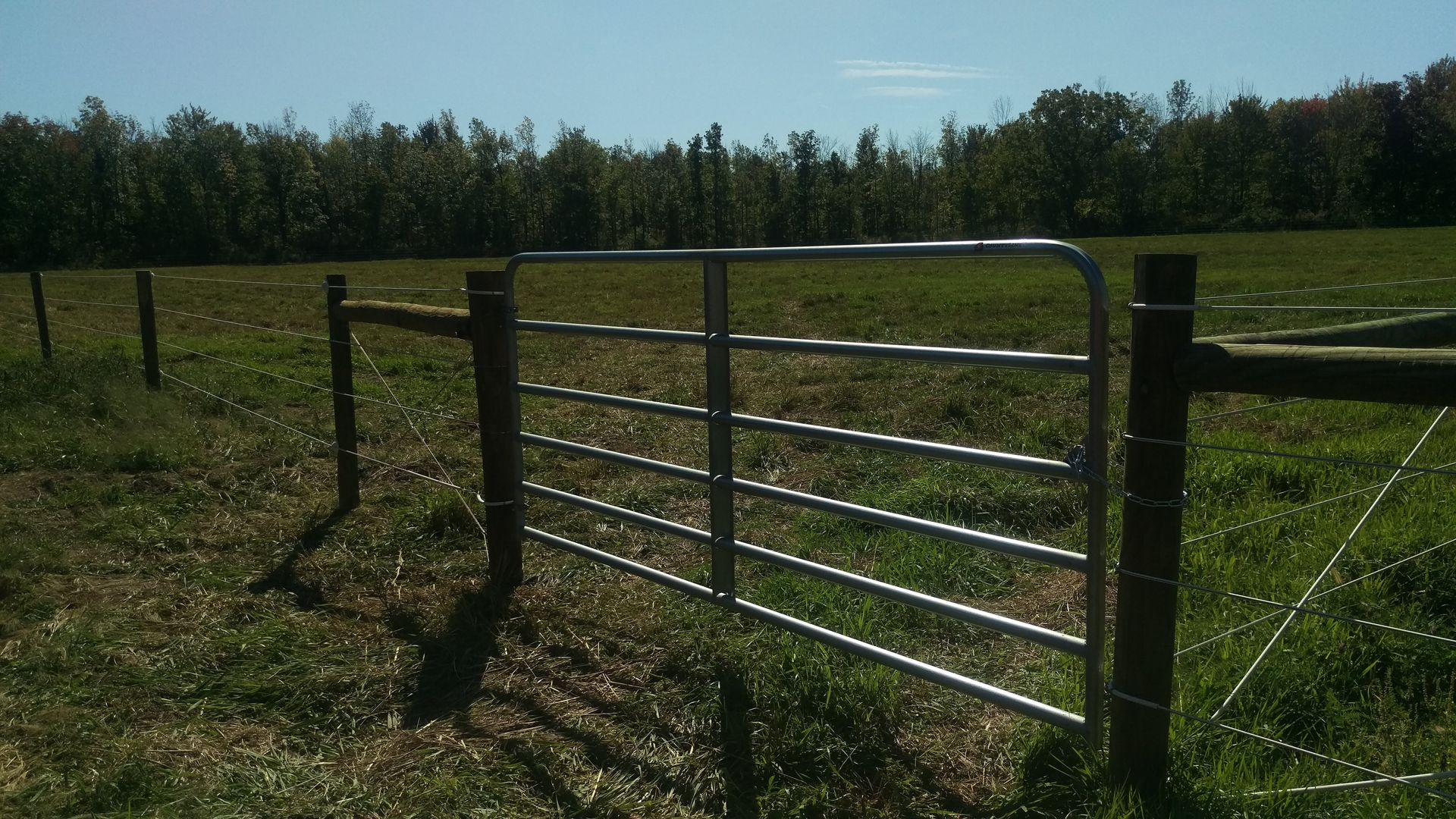
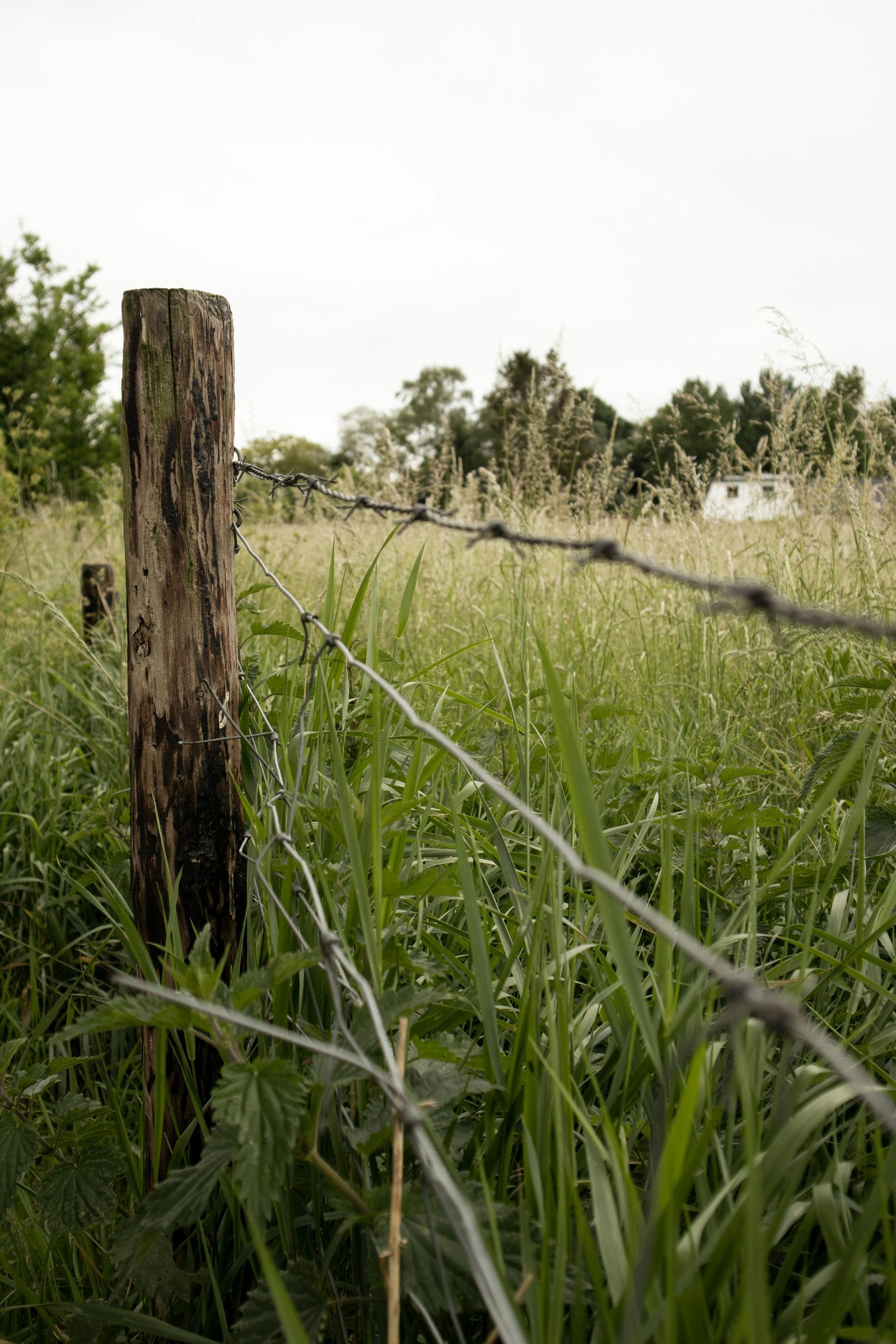
farm fence posts as well, which face additional demands from livestock pressure and larger fence spans, making proper footing depth especially important.
The way the post interacts with the concrete footing determines how well it performs over time.
Understanding Concrete Footings and Their Purpose
A concrete footing is the mass of concrete poured into the ground around a fence post. Its primary purpose is to stabilize the post and prevent movement caused by external forces.
Concrete footings serve several important functions:
- Anchor fence posts firmly in place
- Distribute the weight of the fence evenly
- Reduce shifting caused by wind or ground movement
- Limit moisture exposure at ground level
Without a properly sized footing, even high-quality fence materials can experience performance issues.
How Proper Footings Support Fence Longevity
Fence longevity depends on how well posts resist movement over time. Proper footings provide structural support that helps fence posts remain upright and aligned.
Resistance to Soil Movement
Soil expands and contracts due to moisture changes and temperature fluctuations. Concrete footings help stabilize posts by creating a solid mass that resists minor soil shifts. This is especially relevant in regions with freeze-thaw cycles or heavy rainfall.
Weight Distribution
Fence panels place downward and lateral pressure on posts. Footings spread this pressure over a wider area of soil, reducing stress at a single point. Better distribution can reduce the likelihood of tilting or loosening.
Wind Load Support
Wind places horizontal force on fences. A properly sized footing helps counteract that force by holding the post firmly in the ground. Taller fences and solid panels typically require more robust footings.
Long-Term Alignment
Posts that are set correctly with adequate concrete are more likely to remain level and aligned. This supports smoother gate operation and consistent fence appearance.
Key Components of a Proper Concrete Fence Footing
Not all concrete footings are the same. Several factors determine whether a footing adequately supports fence longevity.
Footing Depth
Depth is one of the most important factors. Deeper footings generally offer better resistance to movement. Depth requirements can vary based on:
- Fence height
- Soil type
- Local climate
- Fence material
In many cases, footing depth extends below the frost line to reduce seasonal movement.
Footing Width
Wider footings increase surface contact with the soil. This helps distribute loads more evenly and improves stability. Narrow footings may be more susceptible to shifting.
Concrete Mix Quality
The consistency and strength of the concrete mix can influence performance. Properly mixed concrete that cures correctly tends to offer better long-term support than poorly mixed or overly wet concrete.
Drainage Considerations
Standing water around posts can contribute to the deterioration of adjacent materials. Some installations include gravel at the base of the hole to improve drainage before concrete is poured.
Soil Conditions and Their Impact on Footing Performance
Soil type plays a significant role in how concrete fence posts perform.
Common Soil Types
| Soil Type | Potential Installation Challenges |
|---|---|
| Clay | Expansion and contraction with moisture |
| Sandy | Reduced holding strength for posts |
| Loamy | Generally easier to work with |
| Rocky | Difficult digging and alignment |
Understanding soil conditions helps determine the appropriate footing approach without relying on one-size-fits-all solutions.
Fence Types and Footing Requirements
Different fence materials place different demands on posts and footings.
Wood Fences
Wood fences often require deeper footings due to their weight and wind resistance needs. Proper footing depth can help limit leaning and sagging over time.
Vinyl Fences
Vinyl fencing is lightweight but can catch wind. Footings must provide lateral support to prevent movement during storms.
Aluminum Fences
Aluminum fences typically weigh less but still rely on stable posts for alignment. Footings help ensure panels remain level and gates function properly.
Chain Link Fences
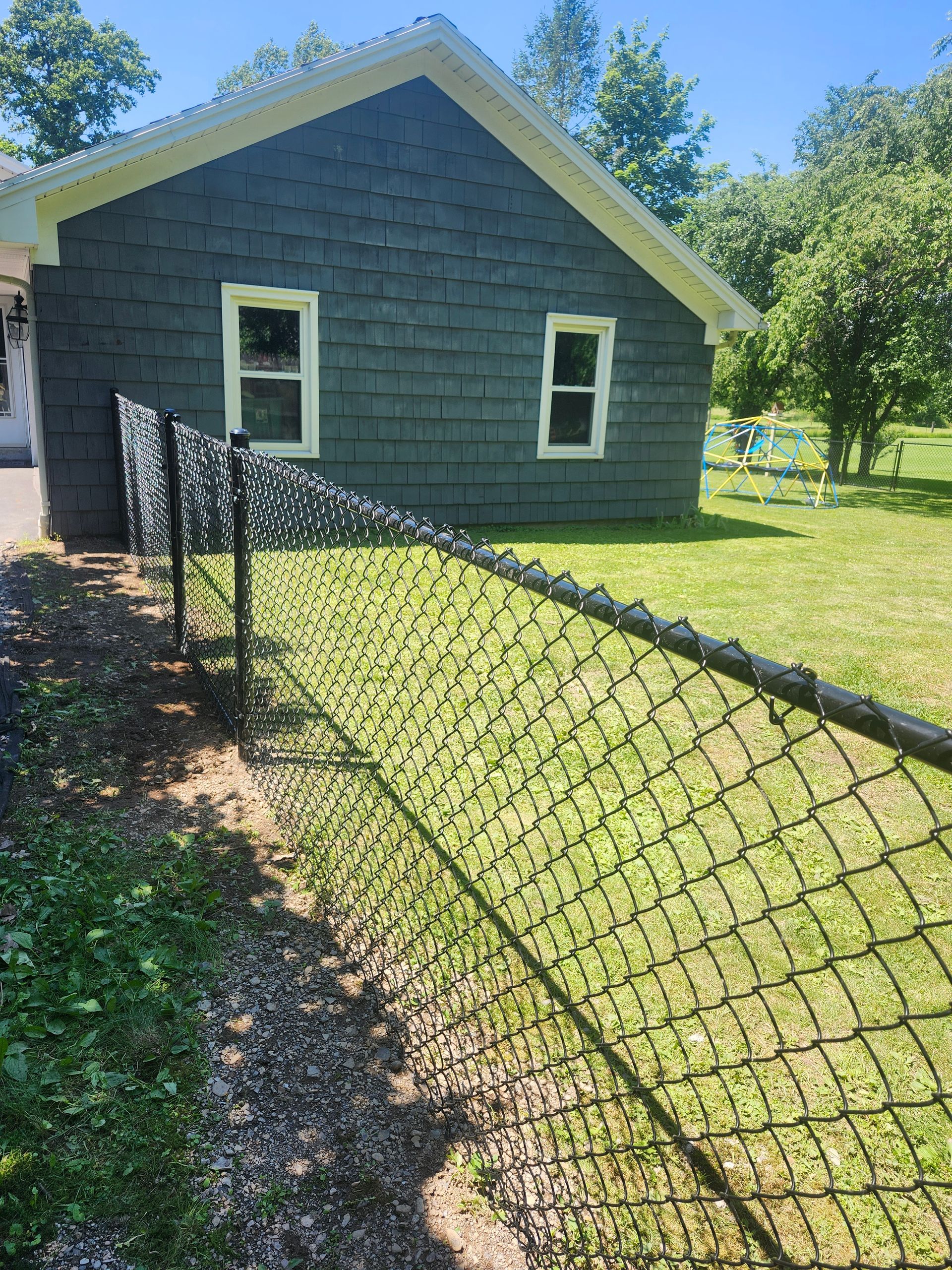
Chain link fences exert tension along the fence line. Concrete footings help anchor terminal and corner posts that handle greater stress.
Common Footing Mistakes That Affect Fence Longevity
Many fence performance issues can be traced back to footing errors rather than materials.
Shallow Holes
Posts set too close to the surface may shift more easily over time, especially in changing weather conditions.
Inconsistent Depths
Uneven footing depths can lead to uneven fence lines and alignment issues.
Poor Concrete Mixing
Overly wet or improperly mixed concrete may cure inconsistently, affecting strength.
Skipping Base Preparation
Failing to compact soil or add gravel where needed can limit footing effectiveness.
Avoiding these issues helps support longer fence service life.
Installation Practices That Support Long-Term Performance
While materials matter, installation quality often plays a larger role in fence longevity.
Proper Layout and Spacing
Accurate post spacing ensures even load distribution along the fence line. Inconsistent spacing can place added stress on certain posts.
Leveling and Bracing
Temporary bracing during curing helps posts remain plumb while concrete sets. This contributes to long-term alignment.
Adequate Curing Time
Allowing concrete to cure properly before attaching panels or rails supports strength development.
Weather Awareness
Installing footings during extreme weather conditions may affect curing. Moderate conditions generally support better outcomes.
Maintenance Considerations for Concrete Fence Posts
Even well-installed concrete fence posts benefit from occasional inspection.
Homeowners may want to periodically check for:
- Signs of movement or leaning
- Cracks in the surrounding concrete
- Soil erosion near posts
- Gate alignment changes
Addressing small issues early — through timely fence post repair — can help maintain fence performance over time and prevent minor shifting from becoming a larger structural problem.
When Professional Installation May Be Helpful
Professional fence installation involves more than digging holes and pouring concrete. Professionals often account for soil conditions, local climate, and fence design requirements.
Professional installers may provide:
- Consistent footing depth and spacing
- Proper material selection
- Experience with site-specific challenges
While DIY installation is an option for some homeowners, understanding footing requirements remains essential either way.
Frequently Asked Questions
Is aluminum fence installation easier than other fence types?
Aluminum fencing is lightweight, but installation still requires careful planning, accurate measurements, and proper post support.
Can aluminum fences be installed on sloped yards?
Yes, but sloped terrain may require racked or stepped panels to maintain alignment and appearance.
Do aluminum fence posts need concrete footings?
Many installations use concrete footings to help stabilize posts, especially for gates and corner posts.
How long does aluminum fence installation typically take?
Installation time varies based on property size, terrain, and preparation. Planning and site conditions play a significant role.
Are aluminum fences affected by weather over time?
Aluminum is generally resistant to corrosion, but installation quality influences how well the fence maintains alignment.
Final Thoughts
Concrete fence posts and proper footings play a critical role in fence longevity. By understanding how depth, width, soil conditions, and installation practices affect performance, homeowners can make more informed decisions about their fencing projects.
A well-supported fence starts with careful planning below ground. Taking the time to consider footing design can contribute to better alignment, stability, and overall satisfaction over the life of the fence.
If you are planning a new fence or evaluating an existing one, consider consulting a fencing professional to assess footing requirements for your property.
Reference:
https://www.wilfirs.co.uk/what-is-the-life-expectancy-of-a-concrete-fence-post/