Best Fence Types to Keep Skunks Out: A Buffalo NY Guide
Buffalo homeowners know the challenges of wildlife management, especially when it comes to keeping unwanted visitors like skunks away from their properties. Understanding the answer to "can a skunk climb?" and selecting the right fencing solution can make all the difference in protecting your yard, garden, and family from these nocturnal creatures that can cause significant damage and create unpleasant encounters.
Key Takeaways
- Skunks are poor climbers but excellent diggers, making ground-level barriers crucial for effective exclusion
- Wire mesh fencing buried 12-18 inches deep provides the most reliable protection against skunk intrusion
- Solid wood and vinyl fencing offer good deterrence when properly installed with underground barriers
- Electric fencing can be highly effective for temporary or specialized protection needs
- Regular fence maintenance and inspection prevent gaps that skunks can exploit
- Professional installation ensures proper depth and spacing for maximum effectiveness
Understanding Skunk Behavior and Climbing Abilities
Can Skunks Climb Fences?
The question of "can skunks climb fences?" has a straightforward answer: skunks have very limited climbing abilities. These ground-dwelling mammals possess short legs and claws designed primarily for digging rather than climbing. While they might manage to scramble over very low obstacles or use nearby structures as leverage, skunks generally cannot climb smooth vertical surfaces or navigate tall fences effectively.
Skunks have a low center of gravity and a stocky build that makes vertical movement challenging. Their body structure evolved for ground-based activities, like foraging for insects, grubs, and small prey items. This physical design limits their ability to grip vertical surfaces or maintain balance while climbing.
Do Skunks Climb Trees and Other Structures?
When considering “do skunks climb?”, it's important to understand their physical limitations. Skunks rarely climb trees, and when they do, it's usually young skunks climbing rough-barked trees with low branches. Adult skunks typically avoid climbing altogether, preferring to find ground-level access points or dig underneath barriers.
Can skunks climb trees becomes relevant when you have overhanging branches near your fence line. While skunks won't typically use trees as highways into your yard, removing low-hanging branches eliminates any possibility of this access route. Young skunks might occasionally attempt to climb, but they lack the coordination and strength to navigate significant heights or smooth surfaces.
Digging Behavior and Underground Access
Skunks are prolific diggers, using their strong claws to excavate burrows and search for food. This digging ability makes them particularly adept at going under fences rather than over them. Most fence failures occur because property owners focus on height while neglecting to address the underground component of skunk exclusion.
Skunk digging patterns follow predictable behaviors. They typically dig along fence lines, searching for the path of least resistance. Their excavation skills allow them to create tunnels several inches in diameter and up to 18 inches deep when motivated by food sources or den sites on the other side of a barrier.
Top Fence Types for Skunk Exclusion
Wire Mesh Fencing
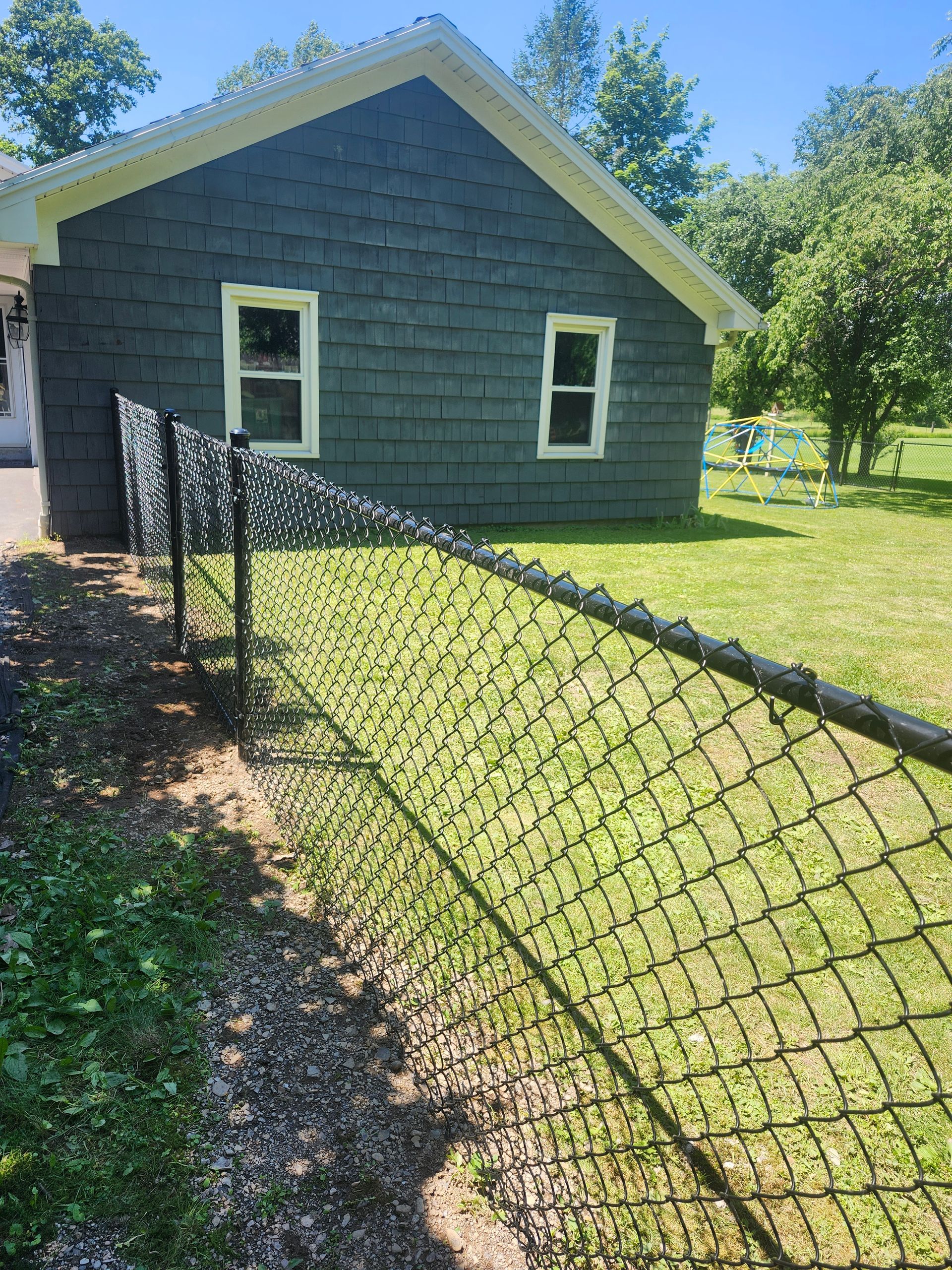
Wire mesh fencing represents the gold standard for skunk exclusion in the Buffalo area. This versatile option combines effectiveness with affordability, making it popular among homeowners seeking reliable wildlife protection.
Key Features:
- Galvanized steel construction resists weather and corrosion
- Small mesh openings (1/4 inch to 1/2 inch) prevent squeeze-through access
- Flexible installation options for various terrain types
- Excellent visibility while maintaining security
- Allows air circulation and doesn't create wind load issues
Installation Requirements:
- Minimum 4-foot above-ground height
- 12-18 inch underground burial depth
- Mesh should extend horizontally 6 inches underground to prevent digging
- Secure attachment to sturdy posts every 6-8 feet
- Use landscape fabric beneath horizontal mesh to prevent vegetation growth
Wire mesh fencing works particularly well in residential settings where complete visual barriers aren't necessary. The see-through nature of mesh fencing maintains an open feel while providing effective wildlife exclusion.
Solid Wood Fencing
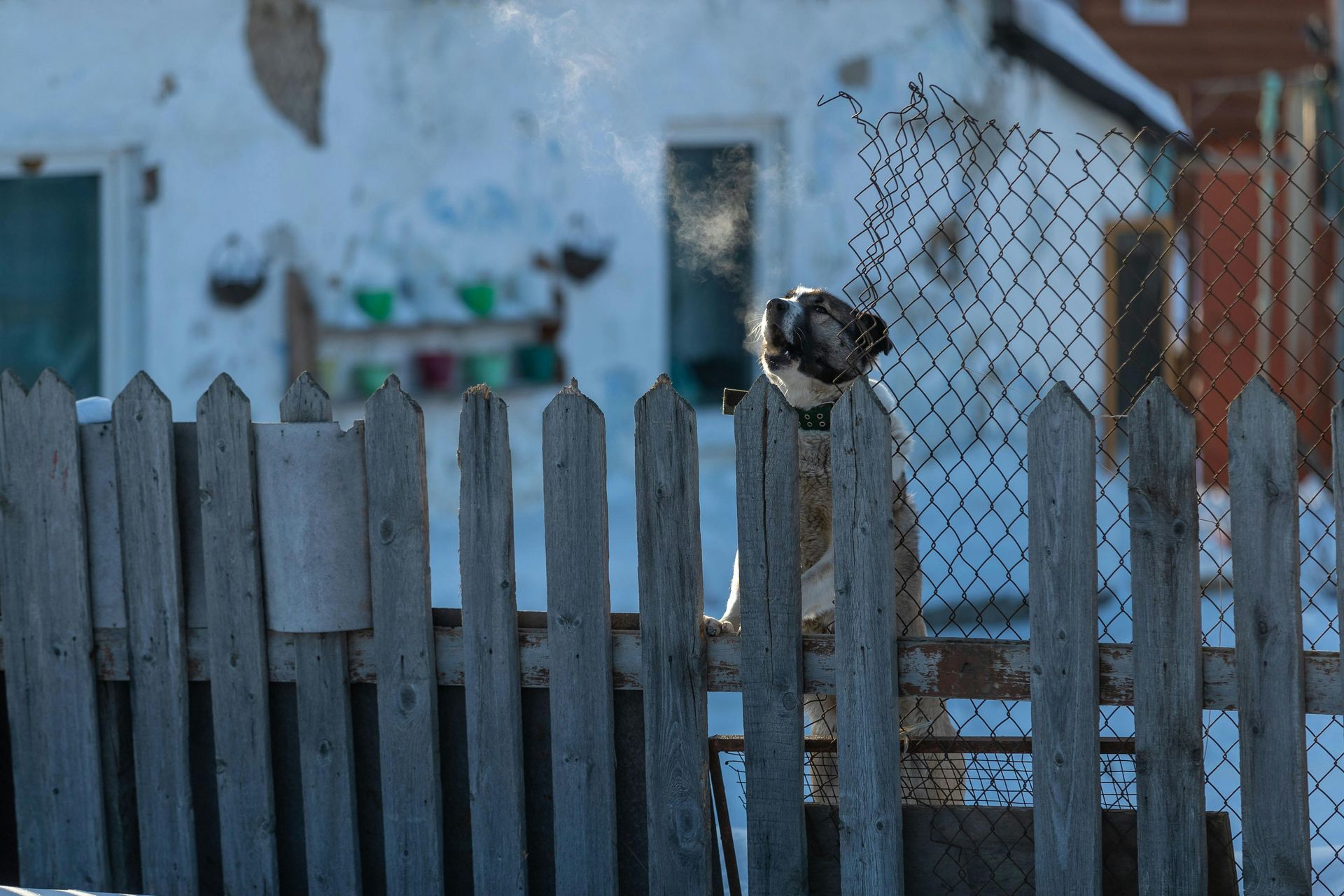
Solid wood fencing provides excellent skunk deterrence while offering privacy and aesthetic appeal for Buffalo homeowners. When properly installed with underground barriers, wood fencing creates an effective physical and visual barrier against skunk intrusion.
Advantages:
- Complete visual barrier reduces skunk curiosity
- Customizable height and style options
- Integrates well with landscape design
- Provides additional privacy benefits
- Can be stained or painted to match the home exterior
- Offers noise reduction benefits
Considerations:
- Requires underground wire mesh addition for complete protection
- Regular maintenance needed for weather protection
- Higher initial investment compared to wire mesh
- Professional installation recommended for optimal effectiveness
Cedar and pressure-treated lumber offer the best longevity for Buffalo's climate conditions. Cedar naturally resists insects and decay, while pressure-treated lumber provides chemical protection against rot and pest damage.
Vinyl Fencing
Vinyl fencing offers a low-maintenance alternative that provides excellent skunk exclusion when combined with proper underground barriers. This option appeals to homeowners seeking long-term durability without ongoing maintenance requirements.
Benefits:
- Weather-resistant and fade-proof materials
- Easy cleaning and minimal maintenance
- Smooth surface provides no climbing assistance
- Available in various heights and styles
- Won't warp, crack, or splinter like wood
- Maintains appearance without painting or staining
Installation Specifications:
- 4-6 foot minimum height recommendation
- Underground wire mesh barrier essential
- Proper post spacing for structural integrity
- Professional installation ensures proper depth
Vinyl fencing performs exceptionally well in Buffalo's variable weather conditions. The material doesn't expand and contract significantly with temperature changes, maintaining structural integrity through freeze-thaw cycles.
Electric Fencing
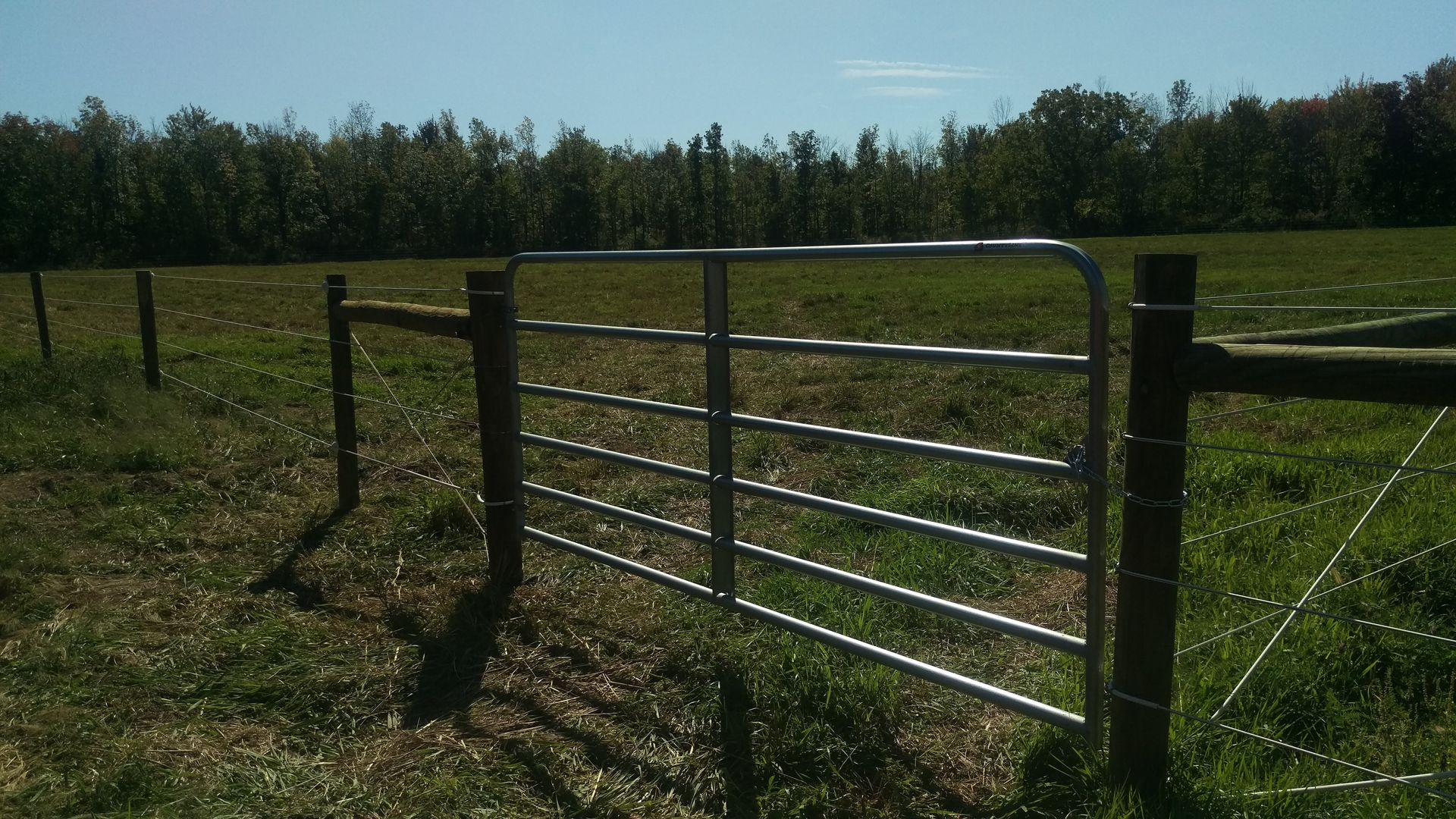
Electric fencing provides a specialized solution for areas where traditional fencing isn't practical or for temporary protection needs. This option works particularly well for garden protection or perimeter areas around larger properties.
Effectiveness Factors:
- Low-voltage design safe for pets and humans
- Multiple wire configuration creates a comprehensive barrier
- Solar-powered options available for remote areas
- Highly effective psychological deterrent
- Easily relocated or modified as needed
- Cost-effective for large perimeter areas
Installation Guidelines:
- Bottom wire positioned 3-4 inches above ground
- Second wire at 8-10 inch height
- Proper grounding system essential for effectiveness
- Regular testing and maintenance required
Electric fencing works by delivering a mild shock that startles and deters animals without causing injury. The psychological impact often prevents return visits, making it highly effective for wildlife management.
Installation Best Practices
Underground Barrier Requirements
The most critical aspect of skunk-proof fencing involves the underground component. Since skunks cannot climb effectively, they will invariably attempt to dig under any above-ground barrier.
Depth Requirements:
- Minimum 12-inch depth in most soil conditions
- 18-inch depth recommended for soft or sandy soils
- Underground mesh should extend 6 inches horizontally
- Backfill with compacted soil and gravel
- Consider local frost line depth for permanent installations
Proper excavation technique ensures long-term barrier effectiveness. The horizontal component of underground barriers prevents skunks from digging straight down and then tunneling under the vertical barrier.
Fence Height Considerations
While skunks have limited climbing ability, proper fence height prevents any possibility of them scrambling over your barrier, especially if they use nearby objects for assistance.
Height Guidelines:
- 4-foot minimum height for most applications
- 6-foot height in areas with additional climbing aids
- Consider local regulations and HOA requirements
- Balance effectiveness with aesthetic preferences
- Account for ground slope and elevation changes
Gate and Entry Point Security
Gates and fence connections often represent the weakest points in skunk exclusion systems. Proper attention to these areas prevents access through gaps or poorly secured openings.
Gate Requirements:
- Self-closing mechanisms prevent accidental openings
- Ground clearance no more than 2 inches
- Underground barriers extend through gate areas
- Sturdy hardware resists tampering and weather
- Multiple latch points for large gates
Regional Considerations for Buffalo Properties
Climate and Weather Impact
Buffalo's climate presents unique challenges for fence installation and maintenance. Understanding these factors helps ensure the long-term effectiveness of skunk exclusion systems.
Winter Considerations:
- Frost heave effects on fence posts and barriers
- Snow load impact on fence structures
- Ice formation affecting gate operation
- Reduced skunk activity during coldest months
Spring and Fall Factors:
- Increased skunk activity during breeding and denning seasons
- Wet soil conditions affecting underground barriers
- Seasonal maintenance timing for optimal effectiveness
Urban vs. Suburban Installation Differences
Buffalo area properties vary significantly in their wildlife pressure and installation requirements.
Urban Property Considerations:
- Limited space for extensive underground work
- Neighbor coordination for shared fence lines
- Municipal regulations and permit requirements
Suburban Property Factors:
- Larger perimeter areas requiring cost-effective solutions
- Greater wildlife pressure from nearby natural areas
- More flexibility in material and height choices
Maintenance and Monitoring
Regular Inspection Schedule
Effective skunk exclusion requires ongoing attention to fence condition and potential access points. Regular inspections help identify problems before they become serious issues.
Monthly Checks:
- Examine fence line for damage or gaps
- Check underground barriers for signs of digging
- Inspect gates and hardware for proper function
- Remove vegetation that might provide climbing assistance
- Test electric fence systems if applicable
Seasonal Inspections:
- Spring: Check for winter damage and frost heave effects
- Summer: Monitor vegetation growth and trim as needed
- Fall: Prepare systems for winter weather
- Winter: Inspect for snow load damage and ice issues
Repair and Replacement
Prompt attention to fence damage maintains the integrity of your skunk exclusion system. Small problems can quickly become major access points if left unaddressed.
Common Issues:
- Weather damage to materials
- Ground settling affecting underground barriers
- Vegetation growth creating climbing opportunities
- Hardware corrosion or loosening
Cost Considerations and Professional Installation
Investment Analysis
Understanding the costs associated with different fencing options helps Buffalo homeowners make informed decisions about skunk exclusion methods. While initial investment varies significantly, long-term effectiveness and maintenance costs factor into overall value.
| Fence Type | Initial Cost Range | Annual Maintenance | Longevity | Total 20-Year Cost |
|---|---|---|---|---|
| Wire Mesh | Low to Moderate | Low | 10-15 years | Moderate |
| Wood | Moderate to High | Moderate | 15-20 years | High |
| Vinyl | High | Low | 20-25 years | Moderate to High |
| Electric | Low to Moderate | Moderate | 10-15 years | Moderate |
Professional vs. DIY Installation
While some homeowners consider DIY installation, professional installation ensures proper depth, spacing, and long-term effectiveness. Experienced installers understand local soil conditions and wildlife behavior patterns specific to the Buffalo area.
Professional Advantages:
- Proper underground barrier installation
- Knowledge of local building codes
- Warranty coverage for materials and labor
- Efficient completion timeline
- Access to commercial-grade materials
Frequently Asked Questions
Can a skunk climb a 6-foot fence?
Skunks cannot climb smooth 6-foot fences due to their poor climbing abilities and short legs. However, they may attempt to dig underneath, making underground barriers essential for complete protection.
Do skunks climb during winter months?
Skunks are even less likely to attempt climbing during winter when they enter semi-dormant states. Cold weather makes them sluggish and more focused on conserving energy rather than exploring new areas.
What fence spacing prevents skunks from squeezing through?
Mesh openings should be no larger than 1/2 inch to prevent adult skunks from squeezing through. Smaller mesh sizes provide better protection but may increase material costs.
How deep should underground barriers extend?
Underground barriers should extend 12-18 inches deep and 6 inches horizontally to prevent skunks from digging under fences. A deeper installation may be necessary in sandy soils.
Can skunks climb trees to access fenced areas?
While young skunks occasionally climb rough-barked trees, adults rarely climb and cannot navigate smooth surfaces. Removing low branches near fence lines eliminates this potential access route.
Final Thoughts
Protecting your Buffalo property from skunks requires understanding their behavior and selecting appropriate fencing solutions that address their digging abilities rather than focusing solely on climbing prevention. Wire mesh fencing with proper underground barriers provides the most cost-effective protection, while solid materials offer additional benefits for homeowners seeking privacy and aesthetic appeal. Professional installation ensures optimal effectiveness and long-term reliability, making it a worthwhile investment for serious wildlife exclusion needs.
Don't let skunks damage your lawn and threaten your family's safety. Contact our local fencing professionals today to discuss the best skunk-proof barrier solutions for your Buffalo area property.
Reference:
https://www.skedaddlewildlife.com/location/columbus/blog/skedaddles-skunk-exclusion-process-humane-techniques/